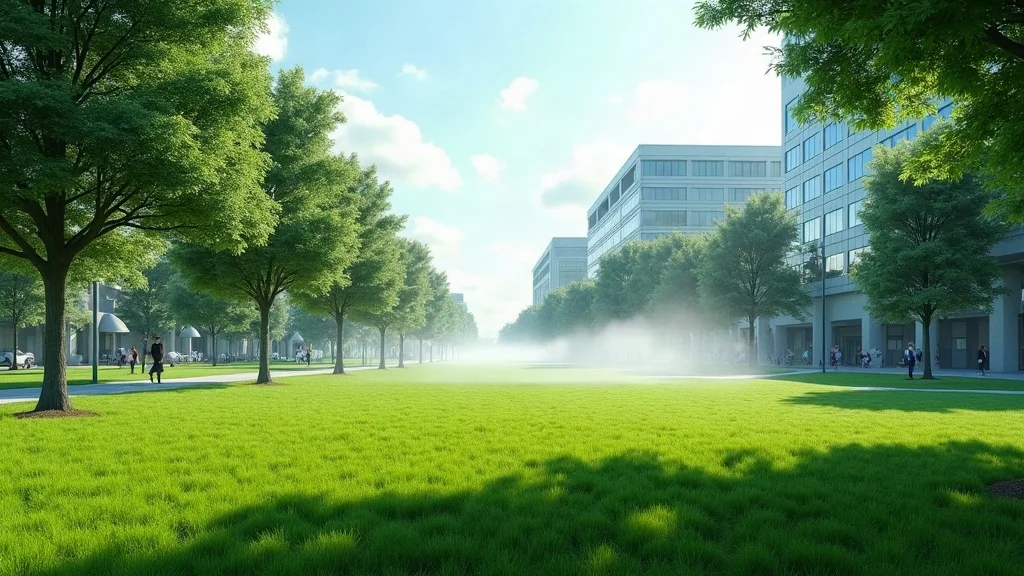
Imagine walking through a beautifully manicured business park, lush lawns on one side and vibrant planting beds on the other, each thriving thanks to expertly managed irrigation. Contrast that with your neighborhood, where the hum of sprinklers keeps every yard green and family-friendly. Both settings rely on the power of irrigation systems, but the difference between commercial and residential irrigation service can determine the health, efficiency, and sustainability of landscapes—no matter their size or complexity. In this guide, we’ll lead you through what sets these systems apart, why that matters for your property, and how professionals like LaBarge Landscape make all the difference whether your needs are commercial or residential.
Understanding the Difference Between Commercial and Residential Irrigation Service
The distinction between commercial and residential irrigation service is foundational for anyone managing landscapes, from property managers of sprawling business complexes to homeowners seeking curb appeal. Commercial irrigation systems are tailored for the unique requirements of large properties, offering powerful solutions for complex landscapes and the efficient delivery of water based on system demand and local weather conditions. In comparison, residential irrigation systems are optimized for smaller, more intimate spaces like home yards, balancing customization with user-friendly features for minimal disruption and simple maintenance.
Choosing the right irrigation system isn’t just about watering plants; it’s about supporting the long-term health of your landscape, conserving valuable water, and safeguarding your investment. With the guidance of a professional irrigation services provider, you can ensure proper installation, adapt watering based on weather, and make use of smart controller technology for the most efficient results. Let’s dive deeper into these differences so you can make the best decision for your property’s needs.
-
What You’ll Learn in This Guide
-
Key definitions: commercial and residential irrigation service
-
Main distinctions between commercial irrigation and residential irrigation systems
-
Benefits and challenges of each irrigation installation type
-
Considerations for property managers and homeowners
-
How to select a professional irrigation system for your needs
-
Why Knowing the Difference Between Commercial and Residential Irrigation Service Matters
Understanding the difference between commercial and residential irrigation service is essential. Each property has unique needs and faces distinct challenges, whether it’s a sprawling office complex or a suburban home. The right irrigation solution directly impacts water efficiency, landscape health, and even long-term maintenance costs. For commercial properties, system robustness and scalability are priorities, whereas homeowners often look for ease of use and minimal disruption. Knowing these differences can help property managers and homeowners partner effectively with licensed professionals, ensuring both beauty and sustainability for years to come.
“The right irrigation system is not just about water—it’s about protecting your investment, ensuring plant health, and supporting sustainability.”
– Jack Lantry, Owner
What is Commercial Irrigation?
Defining Commercial Irrigation Systems
A commercial irrigation system is engineered to handle the scale and demands of business properties, schools, parks, or sports complexes. These irrigation systems are designed for durability, high flow rate, and large-scale water delivery, accommodating diverse plant types and extensive turf areas. Typically, commercial irrigation installation involves zoning, advanced piping, smart controllers, and sensors that adjust watering based on weather conditions and landscape needs. The result is a customized system that not only meets the requirements of numerous stakeholders but does so with efficiency, reliability, and minimal manual intervention for property managers.
Commercial systems are often distinguished by their capacity for automation and remote management, integrating smart controllers and advanced scheduling to ensure plants get the right amount of water without waste. For businesses and institutions, this level of sophistication is a key part of protecting landscape investments, maintaining public-facing green spaces, and upholding property value through all seasons.

Common Purposes and Applications for Commercial Irrigation
Commercial irrigation systems are vital for a variety of settings, ranging from office parks and retail centers to hospitals, resorts, and municipal green spaces. Their primary purpose is to provide consistent, reliable watering across extensive, high-traffic areas. This includes not only lawn and turf but also tree, shrub, and flower plantings, all of which require coordinated water delivery to thrive.
Another major reason businesses invest in commercial irrigation installation is to ensure compliance with local codes and environmental guidelines. By leveraging smart water technologies, commercial systems can adjust watering based on weather, maximize efficiency, and reduce overall consumption. These features help companies meet sustainability goals and reduce costs—a high priority in today’s environmentally conscious marketplace. Ultimately, a commercial system is more than just sprinklers; it’s an investment in operational excellence and landscape longevity.
Understanding Residential Irrigation Services
Residential Irrigation Systems Explained
A residential irrigation system serves the specific needs of individual homes, typically designed for one or a few lawns and garden spaces. These systems use appropriately sized equipment, such as pop-up sprinklers, drip lines, and intuitive smart controllers, to provide reliable watering for grass, flower beds, and even vegetable patches. Unlike commercial systems, residential installations are streamlined to minimize disruption and maintenance, ensuring easy operation for homeowners.
Residential irrigation installations also prioritize flexibility, allowing users to adjust watering based on weather or seasonal needs quickly. Modern systems often include water-saving features, such as rain sensors or programmable timers, which help achieve healthy landscaping while conserving water. Homeowners value these user-friendly elements because they simplify the process and ensure lawns and gardens remain lush and vibrant, even during dry spells.

Typical Homeowner Irrigation Needs
Homeowners often seek irrigation solutions that offer easy care for their landscape without constant monitoring or adjustment. The most common needs include regular watering for lawns, beds, and trees while accounting for sun exposure, soil type, and local climate. A well-designed system should cover all areas evenly without oversaturating or leaving dry spots, as this can impact plant health and property value.
Residential irrigation also addresses concerns like minimal disruption during installation, convenience of use, and ongoing cost savings through water-efficient equipment. Features like programmable smart controllers, rain shut-off sensors, and targeted drip irrigation allow homeowners to adjust watering based on changing weather conditions, supporting sustainability while reducing effort and expense.
Key Differences Between Commercial and Residential Irrigation Service
|
Commercial vs. Residential Irrigation System Comparison |
||
|
Category |
Commercial Irrigation System |
Residential Irrigation System |
|---|---|---|
|
Installation Complexity |
High; requires zoning, large-scale piping, and custom solutions |
Moderate to low; streamlined installation for smaller spaces |
|
Scale & Flow Rate |
Handles high flow rate, larger coverage areas |
Designed for lower flow rate and smaller zones |
|
Types & System Reach |
Diverse heads, advanced controls, extended pipe networks |
Pop-up heads, drip lines, and user-friendly controls |
|
Maintenance Demands |
Frequent checks and professional servicing needed |
Less frequent, often homeowner managed |
|
Customization & Automation |
Fully customizable with smart controllers and sensors |
Basic to moderate customization, simple timers or rain sensors |
-
Installation complexity: commercial irrigation installation vs. residential
-
Scale and flow rate considerations for irrigation systems
-
Types and reach of irrigation installation
-
Maintenance demands for each irrigation system
-
System customization and automation needs
How to Choose the Right Professional Irrigation System
Factors Property Managers Should Consider For Commercial Irrigation
For commercial properties, property managers should partner with professional commercial irrigation specialists who understand the unique challenges and expectations of large-scale landscape care. Critical considerations include assessing the required flow rate, designing zones that account for sun exposure and plant varieties, implementing robust control systems, and adhering to local building codes and sustainability regulations. It’s also important to ensure minimal disruption to business operations during installation and to prioritize system reliability and advanced scheduling so the landscape always looks its best.
Selecting a licensed and experienced provider is vital for commercial irrigation installation. Companies with strong credentials, like LaBarge Landscape, deliver professional installation and tailor each project to the client’s unique property, mitigating risks and ensuring long-term return on investment through efficient, well-managed systems.
Key Considerations for Homeowners with Residential Irrigation Service
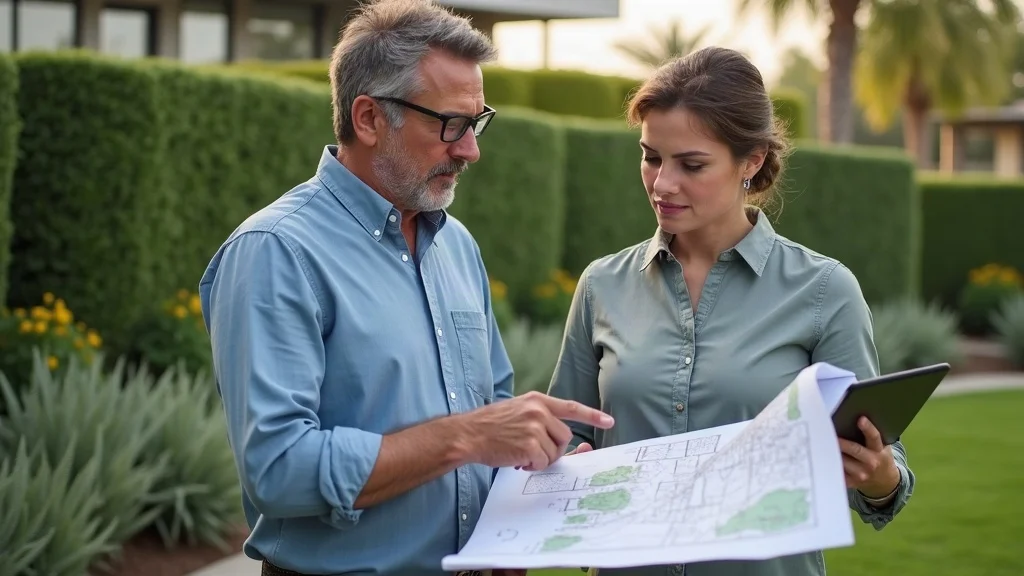
Homeowners should seek systems that are user-friendly and flexible enough to adapt watering based on weather or plant needs. Choices like smart controllers, drip irrigation, and rain sensors add convenience and water efficiency while preserving turf, beds, and garden health. As you plan your irrigation installation, consider factors such as lot size, plant types, sun exposure, local rainfall, and ease of seasonal maintenance.
A licensed landscape professional, such as LaBarge Landscape, will guide you through system design, helping you prioritize essential features like minimal disruption during installation and effective zone configuration for maximum coverage. Ensuring compliance with local codes and installing water-efficient technologies can save time, money, and hassle for years to come.
When to Call a Licensed, Certified Landscape Company
Whether you’re managing a business park or enhancing your home’s curb appeal, there comes a point when DIY solutions won’t suffice. You should call a licensed, certified landscape company for any commercial irrigation installation, large residential systems, or when advanced automation and compliance are required. Certified professionals ensure quality work, warranty coverage, and system longevity—critical for maintaining healthy, beautiful landscapes.
LaBarge Landscape is recognized for its licensed, bonded, and insured services throughout New Mexico and holds specialized certifications for all major aspects of landscaping and irrigation. With decades of experience and a customer-first approach, we deliver the peace of mind and high standards your property deserves.
The Importance of Professional Irrigation Installation
Benefits of Hiring Certified Experts for Your Irrigation Service
Hiring certified experts for your irrigation service isn’t just about technical proficiency. It’s also about ensuring the safety, code compliance, and long-term value of your investment. Licensed professionals use the latest irrigation system technologies, apply best practices for installation, and provide ongoing maintenance to keep your system running at peak efficiency. This attention to detail means optimal water use, healthy plant growth, and reduced risks of costly repairs or backflow issues.
With LaBarge Landscape, you gain access to skilled technicians who help you choose and implement the irrigation solution that best fits your property’s requirements—minimizing waste, maximizing water efficiency, and adapting to both residential and commercial demands. Our expertise brings quality, reliability, and the highest levels of service to every project.

Our Professional Credentials and Commitment to Quality
LaBarge Landscape and Grounds Care, Inc. is a local, family-operated company with over 40 years of landscaping experience. As a company licensed by the State of New Mexico for landscaping, masonry, and chemical applications, we maintain the highest professional credentials. We are certified by the Interlocking Concrete Pavement Institute (ICPI) and have an A+ Better Business Bureau rating. Our team believes in delivering friendly, collaborative service that values your vision as much as our expertise—making us a top choice for both residential and commercial irrigation solutions.
Our hands-on approach, attention to detail, and dedication to customer satisfaction are evident in each project we undertake. From free estimates to expert installation and support, LaBarge Landscape offers the reliability and peace of mind you expect from professional irrigation specialists. We’re not just making landscapes beautiful; we’re building lasting relationships.
Common Types of Irrigation Systems for Both Commercial and Residential Uses
-
Sprinkler irrigation systems
-
Drip irrigation systems
-
Surface irrigation systems
-
Subsurface irrigation
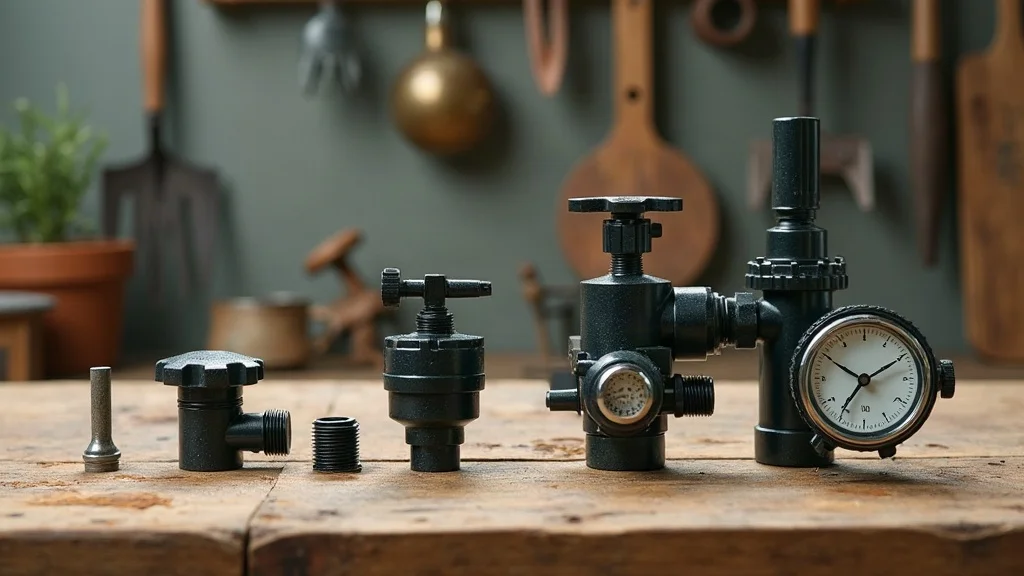
Both commercial and residential properties can benefit from multiple system types depending on needs and site conditions. Sprinkler systems provide broad, even water coverage for lawns and larger plantings, while drip systems deliver targeted moisture to individual roots—ideal for water conservation and landscaping beds. Surface and subsurface irrigation methods can be employed in specialized applications requiring precise moisture control. By collaborating with professional commercial irrigation installation experts, you ensure your system is custom-fit for your property’s unique requirements.
People Also Ask: Difference Between Commercial and Residential Irrigation Service
How much should a residential irrigation system cost?
The cost of a residential irrigation system varies greatly depending on yard size, complexity of landscaping, choice of equipment like smart controllers or drip lines, and the overall scope of the installation. Homeowners should consult with licensed landscape professionals to receive accurate, site-specific estimates and ensure the system meets both their needs and budget, delivering long-term value and performance with minimal disruption.
What is the 30/30 rule for irrigation?
The 30/30 rule for irrigation typically refers to guidelines recommending watering your landscape early in the morning or late in the afternoon, applying approximately 30 minutes of irrigation to ensure deep soil penetration and root health. However, actual watering times should be adjusted based on weather conditions, plant types, and sun exposure—something modern irrigation systems with smart controllers can handle automatically.
What is the difference between commercial and residential landscaping?
The difference lies in scale, design complexity, and system demands. Commercial landscaping covers larger spaces with diverse plantings and high-traffic areas, demanding robust irrigation system technology and frequent professional maintenance. Residential landscaping focuses on aesthetics and manageability for smaller properties, emphasizing ease of use, cost savings, and personal customization. Both require thoughtful design and regular care, but commercial installations often need advanced system features and higher capacity.
What are the three categories of irrigation systems?
Irrigation systems typically fall into three main categories: surface irrigation (where water flows over the soil surface to plants), sprinkler irrigation (where water is sprayed or sprinkled), and drip or subsurface irrigation (where water is delivered directly to plant roots below the surface). Each type offers different benefits and is chosen based on landscape size, plant needs, and efficiency goals.
Frequently Asked Questions About the Difference Between Commercial and Residential Irrigation Service
-
How can I tell if my property requires a commercial irrigation system?
If your property includes large areas of turf, multiple landscaped zones, public use spaces, or if it serves commercial purposes, you will benefit from a commercial irrigation system, which is designed for higher capacity and advanced scheduling. -
Are there legal or code differences for irrigation installation in commercial properties?
Yes, commercial properties often face specific building codes, backflow prevention requirements, and environmental regulations. A licensed professional will help ensure your irrigation installation meets all applicable legal standards. -
How often should professional irrigation systems be serviced?
Regular servicing is recommended at least twice per year—to prepare for the growing season and winterize before freezing temperatures. Commercial systems may require more frequent monitoring and on-call support due to their scale and complexity. -
What permits are needed for irrigation installation in residential areas?
Some areas require permits before installing new irrigation systems to ensure code compliance, backflow safety, and responsible water use. Check with your local authorities or consult a certified landscape contractor. -
Are there water-saving features for both types of irrigation systems?
Yes! Modern systems for both commercial and residential use include options like rain sensors, weather-based smart controllers, targeted drip irrigation, and pressure regulators to maximize efficiency and minimize waste.
Key Takeaways on the Difference Between Commercial and Residential Irrigation Service
-
Recognize whether your property needs commercial or residential irrigation service
-
Understand maintenance, installation, and operational requirements
-
Know when to seek a professional irrigation system specialist
Ready to Experience the LaBarge Landscape Difference?
For personalized advice and certified irrigation installation, contact us or call us at (505) 345-3000.